EDUCATION STRENGTHENS ECD PARTNERSHIPS TO BUILD STRONGER FOUNDATION FOR EVERY CHILD
By Katlego Mashula
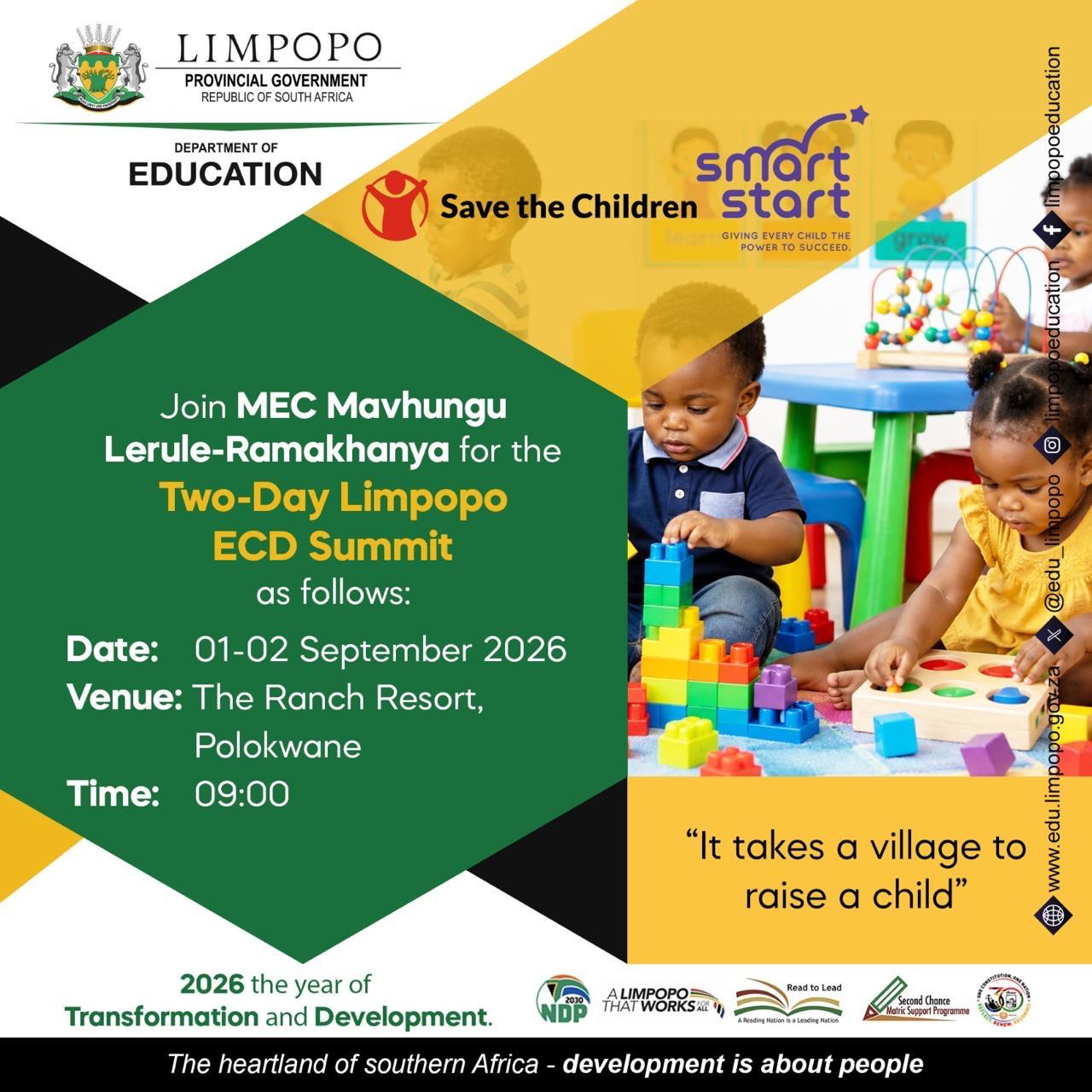
POLOKWANE – The Limpopo Department of Education, in collaboration with Save the Children, SmartStart, Ndlovu Trust, the University of Venda, Thusanang Trust, Blessing Foundation, the National Development Agency (NDA) and other key stakeholders,converged for a two-day Early Childhood Development (ECD) Summit at The Ranch Resort outside Polokwane.
The summit held under the theme “Strengthening Partnerships for Quality Early Childhood Development in Limpopo,” was aimed at assessing the current state of the ECD sector in the province, identifying key challenges and strengthening partnerships to promote accessible and quality ECD opportunities for all children.
The summit brought together government, civil society organizations, academic institutions, development partners, municipalities, ECD practitioners and other stakeholders committed to placing children at the centre of development and ensuring that every child receives the support needed during their formative years.
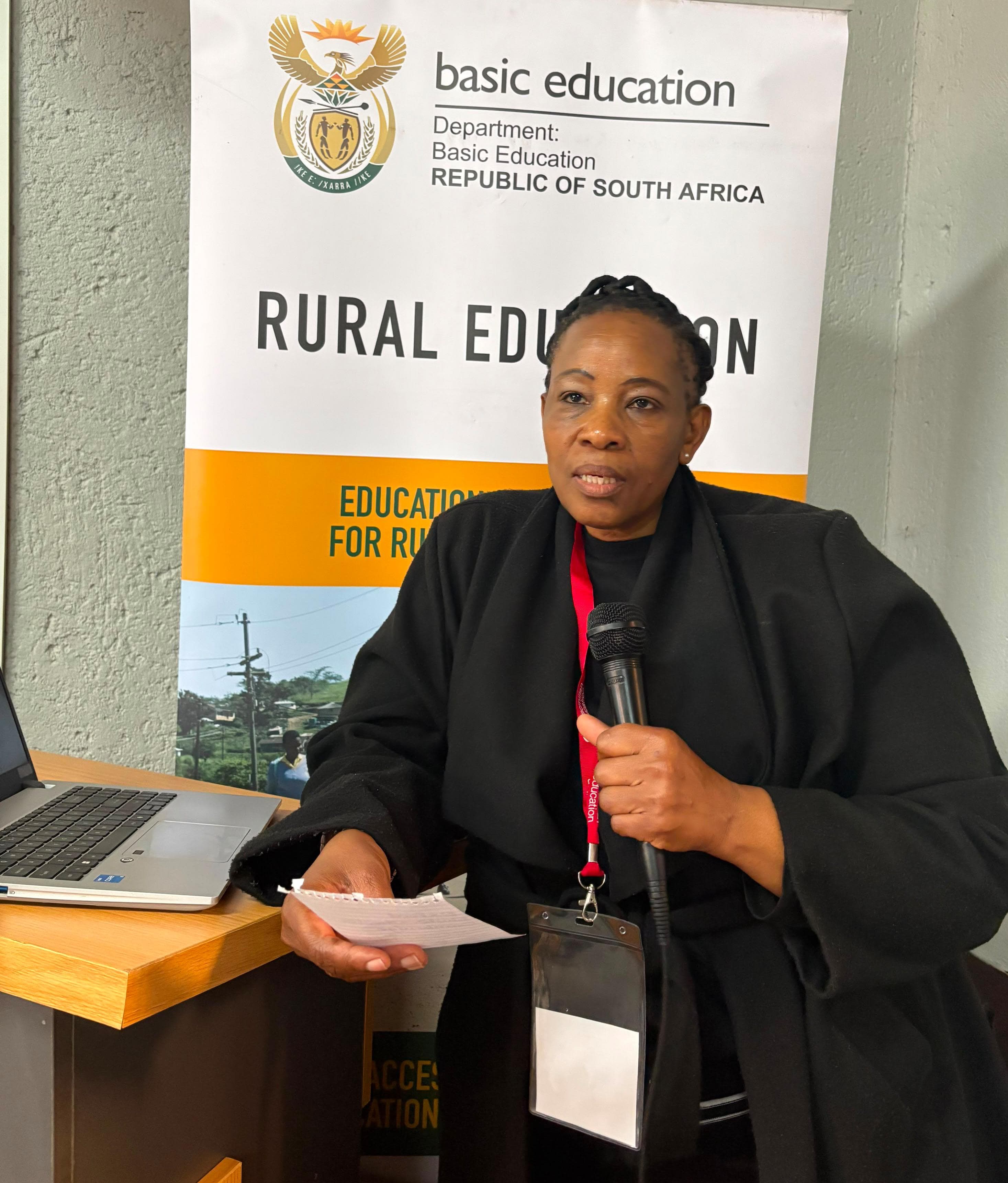
Delivering an overview of the State of ECD Nationally, Department of Basic Education Director for ECD, Ivy Rapoo, highlighted the need to accelerate efforts to improve access to ECD services.
“We all need to understand the goal of the department. Only 43% of children have access to ECD, which needs to be improved. We are using leading objectives such as the 2030 strategy, which focuses on government systems strengthening across policy, funding, data and quality, which is the enabling architecture for universal access to quality ECD education. Bana Pele Shared Blueprint and the Bana Pele Leadership Summit Roadmap will be used as key instruments guiding the sector, particularly in prioritising vulnerable children. The development of a national screening tool would assist in identifying children who need access to ECD services and ensuring that interventions reach those most in need,” said Rapoo.
The summit provided a platform for stakeholders to engage on some of the critical issues affecting the ECD sector, including child protection and safeguarding, access, infrastructure and practice support, municipal and multi-sectoral partnerships, best practices, resource mobilisation and ECD registration.
Through commissions established during the summit, stakeholders developed action plans focusing on key priorities that require urgent attention. These included efforts to ensure that all ECD centres are registered through capacity-building initiatives and registration clinics, the creation of a resource library for ECD and encouraging municipalities to formally recognise ECD as an important developmental and public function.
The action plans are intended to strengthen coordination and accountability while ensuring that challenges identified during the summit translate into practical interventions that benefit ECD centres, practitioners, families and most importantly, children.
Head of Department for the Limpopo Department of Education , Maropene Seshibe, expressed appreciation to all stakeholders and ECD practitioners for their contributions, support and commitment to strengthening the sector. “As a department, we pride ourselves in our vision. We cannot talk about quality and excellence without including ECD centres. While everyone focuses on matric, we should shift our focus and take all the resources to ECD centres. We believe that this is where a solution to all issues, including social and economic challenges, lies,” said Seshibe.
Seshibe further said the department would intensify efforts to mobilise support for ECD centres and involve a broader range of stakeholders, including traditional leaders and municipalities. “We are going to mobilise the support of everyone in ECD centres in an active way, including traditional leaders and municipalities. A roadmap will be developed to take us to 2030 and build a foundation for our learners and practitioners,” he said.
MEC Mavhungu Lerule-Ramakhanya in her keynote address at the summit emphasized the importance of collaboration in ECD centres.“We want to make sure that, in our urgent drive to prepare children for the demands of the twenty-first century, we do not leave them behind or rob them of the foundation they need to thrive. We must not replace a child’s play with worksheets. Instead, we must nurture and satisfy their curiosity, giving them frequent opportunities to develop intellectually and engage meaningfully with their learning. It takes a village to raise a child. Limpopo must be at the forefront of this transformation. To achieve it, we must identify barriers to learning early, improve literacy and numeracy, promote play-based learning, provide appropriate ECD infrastructure, strengthen the quality of ECD programmes and expand the training of ECD practitioners,” said MEC Lerule-Ramakhanya.
As the summit concluded, the Head of Department, stakeholders and ECD practitioners participated in a pledge-signing ceremony, reaffirming their commitment to collectively advancing the ECD sector in Limpopo.
Through the pledge, stakeholders committed themselves to working together, sharing knowledge, establishing meaningful collaborations and creating a stronger sense of agency among all stakeholders in the ECD sector. The commitment further seeks to close the gap in access to quality Early Childhood Development and Education across the province and ensure that every child has an opportunity to receive a strong foundation for lifelong learning and development.






.jpg)